
Petrochemical Waste
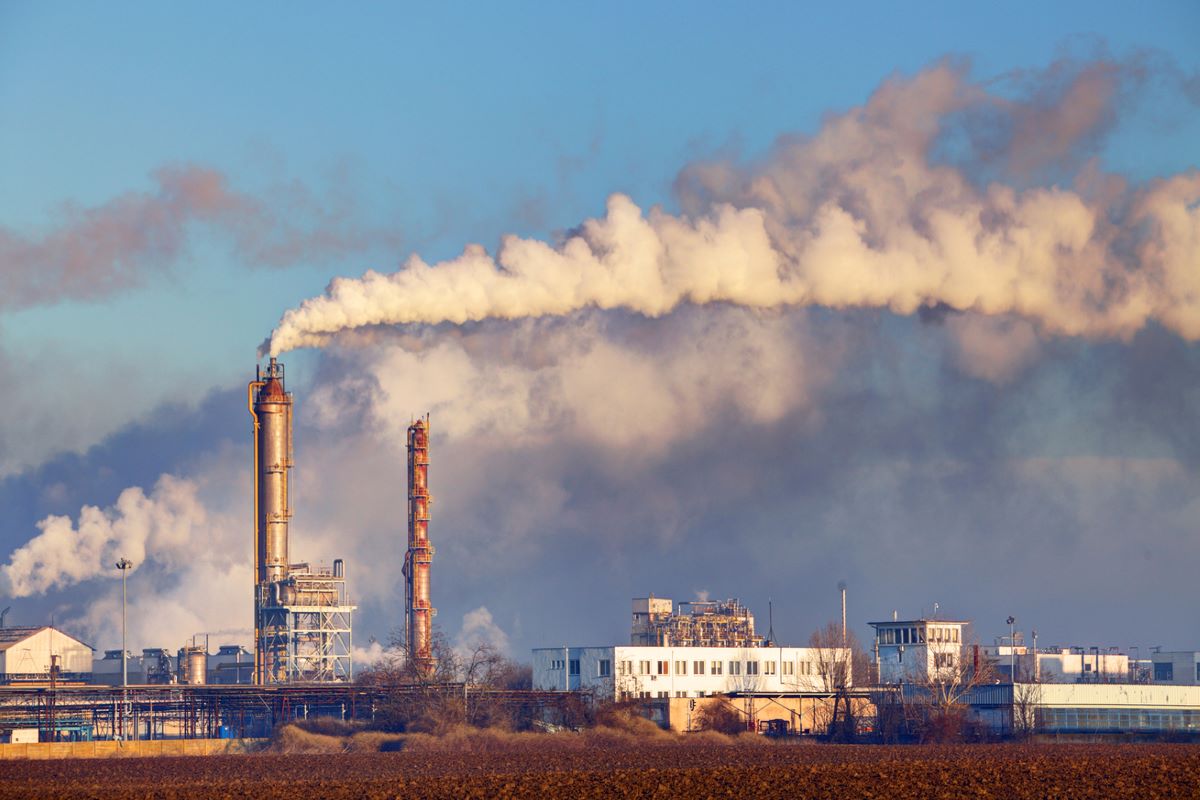
Petrochemical wastes are generally associated with hazardous constituents and have high public health and potential environmental risk. Petrochemical Industries generate complex Wastes due to the Quantity and Composition of these wastes.
All types of waste in petrochemical complexes categorize as hazardous waste due to the presence of highly toxic organic compounds and heavy metals.
Some Petrochemical industries have managed their waste products by discharging them into the environment without previous treatment. It caused increasing pollution and had an adverse environmental impact.
Different kinds of heavy metals and hydrocarbons spread into water sources through the illegal discharge of petrochemical wastewater.
The underground water is contaminated by pouring the petrochemical waste into landfills and also, and the Open burning of this waste cause air pollution seriously.
Environment-friendly treatment of hazardous waste has the attention of the scientific community in recent years. One of the most favorable and effective disposing methods is the pyrolysis process, which is an environmentally friendly and efficient way.
Petrochemical wastes stream can be classified into two main categories:
• Intermittent wastes such as Process Unit Wastes, Product Treatment Wastes Unit
• Continuous Wastes such as Process Unit Wastes and Wastewater Treatment Wastes Unit
Petrochemical Waste items:
• Waste oil and process oil residues
• Spent catalysts
• Spent adsorbents
• Molecular sieves
• Spent resins
• Coke
• Anthracite waste
• Polymeric waste
• Contaminated clays
• Sludge
• Other waste such as contaminated packaging materials
Reusable and Recyclable Petrochemical Waste
More than 90% of generated waste in petrochemical industries convert to material or energy through recycling or the recovery process.
According to EPA and Basel Convention, all generated waste in Petrochemical Complexes is named Hazardous Waste, except for polymer waste and polymerized solvent.
Polymer waste, polymerized solvent, and sludge are Organic Waste with High Calorific Value.
Recyclable Petrochemical Wastes are as the follows:
• Spent Catalyst
• Polymer Waste
• Spent Industrial Soil
• Polymerized Solvents
• Sludge
Pyroltech’s Technology
Petrochemical wastes are an unstable composition of cyclic hydrocarbons along with heavy metals.
Pyroltech offers the New Solution for recycling, reducing, and energy recovering Petrochemical Wastes.
Pyroltech System is indispensable and logical for using different petrochemical wastes as there are in these Complexes instead of using special approved Trucks for Transportation of the hazardous wastes to approved Sites as they have permission rights from the Environment sector of government on special items!
The pyrolysis process results in some valuable raw materials: Oil fuel, Pyrolysis Gas, and Carbon Black, in various applications.
Pyroltech’s focus is on offering the best operation scenario on the waste management system to maximize economic efficiency by recovering energy and also solve improper disposal problems and adverse environmental impacts on petrochemical industries.