
Industrial Waste
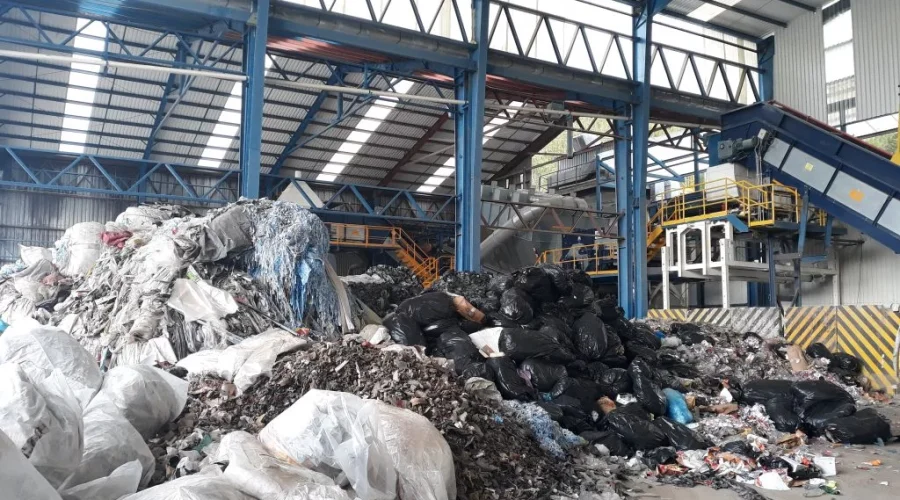
Processing, transportation and storage of oil with the formation of a significant amount of oily sludge waste which comprises water, oil, mineral impurities, and different deposits (sand, clay, silt, etc.).
Depending on the type of oil and the way it is stored and processed, the oil sludge waste compounds are produced with different ratios, which causes the oil sludge combustion method to be unstable due to the instability of the composition of the components of this material. In addition, the oil sludge combustion process leads to the release of toxic and harmful emissions.
Pyroltech has provided a solution with portable equipment in polluted sites with petroleum oil, leading to the treatment of this waste associated with a sustainable mechanism and no environmental pollution.
The Pyroltech products of oil sludge are divided into following items:
• Solid residues
• Liquid oils (condensable liquid)
• Noncondensable gases.