Agricultural Waste

Agricultural_Waste

Agricultural wastes, also known as agro-wastes, are defined as the residues or by-products produced during the cultivation process (e.g., farmland construction, seeding, irrigation, and fertilization), harvesting and gathering of agricultural products, and post-harvest operations such as sorting, grading, packaging, storage, transporting, and marketing. Their composition depends on the system and type of agricultural activities and they can be in liquid, slurry, and solid forms. The agricultural wastes can be classified into the following major categories:
(a) Chemical wastes e.g., herbicides, pesticides, and insecticides
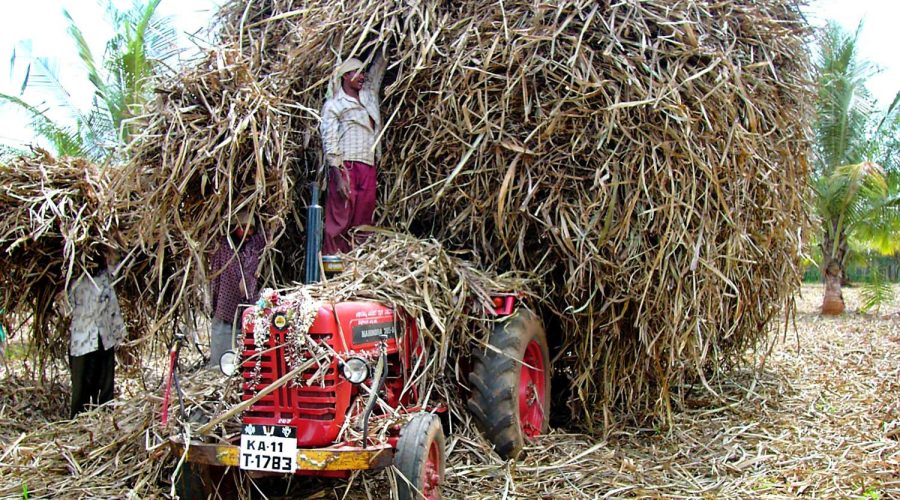
(b) Crop production wastes e.g., weeds, roots, sugarcane bagasse, leaves, and straws
(c) Animal/livestock wastes e.g., carcasses, manure, excreta, and poultry litter
(d) Food and meat processing wastes e.g., hoofs, bones, feathers, banana peels, etc.
The utilization of agricultural waste as an energy resource allows us to increase the share of renewable energy sources and the application of biomass fuels for energy production can contribute to reduce the emission of greenhouse gases and other pollutants.
Converting agricultural waste into bioenergy through Pyroltech’s process is a clean and safe technique to reduce the amount of waste
Pyroltech is a pollution-free process, thus making it an ecofriendly environment.
Moreover, Pyroltech technology can help countries with agricultural waste pollution problems. Skid mounted Pyroltech provide easy transportation to farms. Low process temperature and production of standard biochar are other features of Pyroltech technology.